

What Does a Cybersecurity Company Do?

The world we live in today is digital-first, where businesses depend heavily on technology to function, communicate, and even grow. This dependence is both efficient and scalable, but it also creates significant risks. Cyberattacks are rising in frequency, complexity, and harmfulness, making it damaging even to businesses of different sizes and in various industries. This is where the cybersecurity company becomes extremely important.

Defining the purpose of a Cybersecurity firm

Basically, a cybersecuritycompany is a digital advocate of businesses. It determines the weak points of systems, curbs cyber attacks and uncovers suspicious activity, as well as assisting organizations to recuperate within a short period in case a breach ensues.

Cybersecurity is not a self-protective system; it is a continuous process that adapts to new threats.

Cybersecurity firms integrate technical and business planning with operational reactions to guarantee that organizations are able to conduct business without interruptions and loss of data.

Determining Risks and Vulnerabilities

Risk evaluation is one of the initial actions a cybersecurity company takes. There are no universal systems, data sets, and operational priorities in any business; hence, each organization has different security risks.

Cybersecurity is an area of investigation by cybersecurity experts on networks, devices, software, cloud environments, and human activities to reveal their weak points. These might be old systems, poorly set-up passwords, themselves, unprotected access points, or improperly configured cloud services. After identifying the risks, they are ranked by the impact they may cause, so businesses address the most unpleasant threats first.

Preventing Cyber Threats Before They Happen

Much attention to cybersecurity services is on prevention. Instead of imposing threats, cybersecurity firms implement robust layers of defensive measures that prevent attacks at the entry point.

This involves deploying firewalls, intrusion detection and prevention systems, secure authentication, encryption, and access controls. Security policies and best practices are also formulated by cybersecurity units to eliminate the possibility of human error, a common cause of security violations.

Obtaining Cloud and Digital Infrastructure

Due to the migration of firms to cloud computing, cloud security has emerged as a key task for cybersecurity firms. To secure the data and applications of the cloud environments and user access, special security measures are required.

Cybersecurity solutions include cloud security configuration, encryption of sensitive information, and data loss prevention measures. They also assist the businesses in adhering to regulatory and compliance needs, and remain flexible and scalable on the cloud.

24 Hour Monitoring Systems

Cyber threats are not time-based, and that is why they need to be monitored constantly. The cybersecurity firms offer 24/7 observation of systems and networks to identify abnormalities within the systems in real-time.

The constant analysis of logs, traffic and system functionality can ensure cybersecurity teams locate possible breaches in time, when in most cases there is not a lot of damage to be done.

Responding to Cyber Incidents

No system is immune to effective preventive measures, despite the high level of preventive measures in place. A cybersecurity firm intervenes when a security incident or cyberattack occurs and implements a pre-planned incident response strategy.

This entails containing the threat, eliminating harmful activity, identifying the root cause, and safely restoring systems. A timely and streamlined response to a disaster is critical in cutting down the downtime, loss of data, and saving the face of the organization. Issues of post-incident analysis by cybersecurity businesses are also meant to enhance protection as well as deter such attacks in the future.

Data Backup and recovery support.
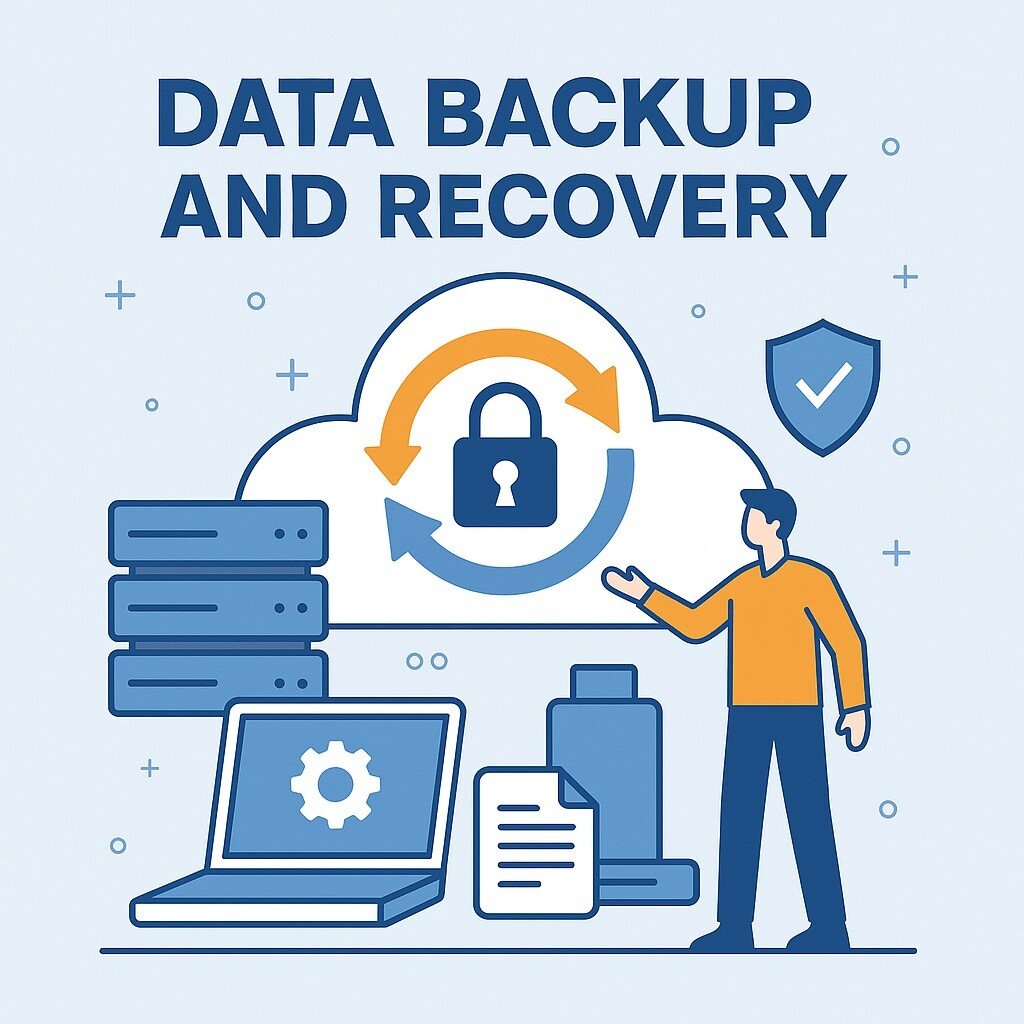
Learn about Data Backup and Recovery

Information is among the most productive resources of any company. This information is safeguarded through backup and recovery strategies provided by cybersecurity companies. Frequent backups also mean that the important data will be available to be restored quickly in case of any ransomware attack, system crashes, or unintentional loss.

Recovery planning considers business continuity reliance, bearing in mind that the business should be back on track as soon as possible following a disturbance. This will minimize monetary losses and maintain customer confidence.

Training Employees to Be Security-Aware

It is the technology that cannot assure cybersecurity. There is still the human error, which is one of the largest security threats. Training programs can also be offered by cybersecurity companies to train employees on various frequent attacks, including phishing, social engineering, and unsafe web usage.

Pexo: A Proactive, All-in-One Cybersecurity Solution for Modern Businesses

The Pexo is an excellent solution for any business wanting to be proactive and organized about cybersecurity; Pexo provides all-encompassing solutions to secure the digital operations on various levels. Some of the specifics of Pexo are risk assessment and cloud security, as well as continuous monitoring, incident response, and recovery as fast as possible. Their cybersecurity solutions are packaged for the specific business environment that the business is in, and they are highly protective without any extravagance. Find out more about how Pexo can assist in protecting your organization by visiting there.

Why are companies in cybersecurity necessary now?

Large enterprises are no longer the only victims of cyber threats. SMBs are becoming a specific focus since attackers are aware that they do not usually have well-developed security measures. A cybersecurity company offers the skills, resources, and diligence to remain abreast of the ever-changing threats.

Through collaboration with a cybersecurity company, businesses have a sense of security, business continuation and can grow in the digital world, knowing that their systems, data and reputation are safe.

Final Thoughts

There is much more to cyberattack response than a cybersecurity company engages in. It develops a complete infrastructure of security services, which safeguards, monitors, and fortifies businesses in the long run. Since it is important that cybersecurity companies tackle risks and threats before they happen, timely responding to dangers and recovery in the aftermath of facts is crucial to the success of business in the modern world.


10 Easy Steps to Building a Culture of Cyber Awareness

Cyberattacks are a constant threat in today’s digital world. Phishing emails, malware downloads, and data breaches can cripple businesses and devastate personal lives.

Employee error is the reason many threats get introduced to a business network. A lack of cybersecurity awareness is generally the culprit. People don’t know any better, so they accidentally click a phishing link or create weak passwords, making it easy for hackers to breach.

It’s estimated that 95% of data breaches are due to human error.

But here’s the good news: these mistakes are preventable. Building a strong culture of cyber awareness can significantly reduce your risks.

Why Culture Matters

Think of your organization’s cybersecurity as a chain. Strong links make it unbreakable, while weak links make it vulnerable. Employees are the links in this chain. By fostering a culture of cyber awareness, you turn each employee into a strong link, making your entire organization more secure.

Easy Steps, Big Impact

Building a cyber awareness culture doesn’t require complex strategies or expensive training programs. Here are some simple steps you can take to make a big difference:

1. Start with Leadership Buy-in

Security shouldn’t be an IT department issue alone. Get leadership involved! When executives champion cyber awareness, it sends a powerful message to the organization. Leadership can show their commitment by:

  • Participating in training sessions
  • Speaking at security awareness events
  • Allocating resources for ongoing initiatives

2. Make Security Awareness Fun, Not Fearful

Cybersecurity training doesn’t have to be dry and boring. Use engaging videos, gamified quizzes, and real-life scenarios to keep employees interested and learning. Consider interactive modules where employees choose their path through a simulated phishing attack or short, animated videos explaining complex security concepts clearly.

3. Speak Their Language

Cybersecurity terms can be confusing. Communicate in plain language, avoiding technical jargon. Focus on practical advice employees can use in their everyday work. Instead of saying “implement multi-factor authentication,” explain it as adding an extra layer of security when logging in, like needing a code from your phone in addition to your password.

4. Keep it Short and Sweet

Don’t overwhelm people with lengthy training sessions. Opt for bite-sized training modules that are easy to digest and remember. Use microlearning approaches delivered in short bursts throughout the workday to keep employees engaged and reinforce key security concepts.

5. Conduct Phishing Drills

Regular phishing drills test employee awareness and preparedness. Send simulated phishing emails and track who clicks. Use the results to educate employees on red flags and reporting suspicious messages. After a phishing drill, review the email with employees, highlighting the signs that indicated it was a fake.

6. Make Reporting Easy and Encouraged

Employees need to feel comfortable reporting suspicious activity without fear of blame. Create a safe reporting system and acknowledge reports promptly. This can be done through:

  • A dedicated email address
  • An anonymous reporting hotline
  • A designated security champion employees can approach directly

7. Security Champions: Empower Your Employees

Identify enthusiastic employees who can become “security champions.” These champions can answer questions from peers and promote best practices through internal communication channels, keeping security awareness top of mind. Security champions foster a sense of shared responsibility for cybersecurity within the organization.

8. Beyond Work: Security Spills Over

Cybersecurity isn’t just a work thing. Educate employees on how to protect themselves at home too. Share tips on strong passwords, secure Wi-Fi connections, and avoiding public hotspots. Employees who practice good security habits at home are more likely to do so in the workplace.

9. Celebrate Successes

Recognize and celebrate employee achievements in cyber awareness. Did someone report a suspicious email? Did a team achieve a low click-through rate on a phishing drill? Publicly acknowledge their contributions to keep motivation high. Recognition can be a powerful tool that helps reinforce positive behavior and encourages continued vigilance.

10. Bonus Tip: Leverage Technology

Technology can be a powerful tool for building a cyber-aware culture. Use online training platforms that deliver microlearning modules and track employee progress. Schedule automated phishing simulations regularly to keep employees on their toes.

Tools that bolster employee security include:

  • Password managers
  • Email filtering for spam and phishing
  • Automated rules, such as Microsoft’s Sensitivity Labels
  • DNS filtering

The Bottom Line: Everyone Plays a Role

Building a culture of cyber awareness is an ongoing process. Repetition is key! Regularly revisit these steps, keep the conversation going, and make security awareness a natural part of your organization’s DNA. Cybersecurity is a shared responsibility. By fostering a culture of cyber awareness, your business benefits and equips everyone in your organization with the knowledge and tools to stay safe online. Empowered employees become your strongest defense against cyber threats.

Contact Us to Discuss Security Training & Technology

Need help with email filtering or security rules setup? Would you like someone to handle your ongoing employee security training? We can help you reduce your cybersecurity risk in many ways.

Contact us today to learn more.


Featured Image CreditUnsplash

This article has been republished with permission from The Technology Press.

4 Ways Small Businesses Can Leverage Copilot for Microsoft 365

What are some of the key differentiators that can propel small businesses forward? They include efficiency, productivity, and innovation. Microsoft has expanded the availability of one of its most dynamic tools to SMBs, a tool that can be a real game-changer for growth.

Copilot for Microsoft 365 is a powerful new addition to the M365 suite. It was first offered to enterprise customers only, but Copilot is now open to businesses of all sizes, as long as they have Microsoft 365 Business Standard or Business Premium.

Microsoft has positioned Copilot to revolutionize the way SMBs work. This innovative AI tool empowers users to generate creative content, streamline workflows, and unlock new levels of productivity.

Let’s explore the exciting possibilities Copilot unlocks for your growing business.

How Copilot Streamlines Workflows

Copilot leverages the power of large language models (LLMs). LLMs are AI models trained on massive datasets, enabling Copilot to understand natural language and generate contextual responses. It offers intelligent suggestions and content within your Microsoft 365 applications.

Here’s how Copilot translates this technology into real-world benefits for your small business:

Effortless Content Creation

Struggling with writer’s block or repetitive tasks like email writing? Copilot can suggest text responses, complete sentences, and even draft entire emails based on your initial input.

With just a few guiding prompts, your team can:

  • Craft compelling marketing copy
  • Write concise customer service responses
  • Create dynamic PowerPoint presentations

Enhanced Productivity

Copilot automates repetitive tasks and streamlines workflows by offering intelligent suggestions, freeing up valuable time for your employees. This allows them to focus on more strategic initiatives, high-value projects, or core business activities. Imagine automatically generating reports or automating data entry tasks—this unleashes your team’s energy for creative problem-solving and innovation.

Improved Communication and Collaboration

Clear and concise communication is vital for any successful business. Copilot facilitates this by suggesting relevant phrases, correcting grammatical errors, and ensuring consistent messaging across different applications.

Improved communication fosters better collaboration within teams, leading to streamlined project execution and enhanced client interactions.

Reduced Learning Curve for New Technologies

Copilot provides context-aware guidance and suggestions while you work with your familiar Microsoft 365 applications. This significantly reduces the learning curve for new employees, allowing them to become proficient in using the full potential of the suite more quickly. Imagine onboarding new team members with ease and empowering them to contribute meaningfully from day one.

Real-World Applications of Copilot within Your SMB

Copilot’s capabilities extend beyond generic productivity enhancements. Here’s a glimpse into how different roles within your SMB can leverage Copilot:

Marketing and Sales Teams

Generate compelling marketing copy for social media campaigns. Craft tailored sales emails with targeted messaging. Develop engaging presentations with Copilot’s creative text suggestions and language model capabilities.

Customer Service Representatives

Respond to customer inquiries with increased efficiency and accuracy. Use Copilot’s AI-powered suggestions for crafting clear and concise responses. Imagine resolving customer issues faster and fostering a more positive customer experience.

Project Managers

Develop comprehensive project plans. Automate progress reports with a few text prompts. Collaborate seamlessly with team members using Copilot’s intelligent features. Streamline project management and ensure everyone is on the same page from conception to completion.

Content Creators

Overcome writer’s block and generate fresh ideas for website copy. Teams can leverage Copilot’s help in brainstorming and content creation in many areas. Imagine producing high-quality content consistently, all while keeping modern audiences engaged and driving brand awareness.

Finance and Accounting Teams

Automate data entry tasks and improve data analysis with Copilot’s intelligent features. Generate reports with prompts for enhanced clarity. Imagine no more struggling to create reports—gain valuable insights from data faster.

Getting Started with Copilot for Microsoft 365

The good news is that Copilot for Microsoft 365 is readily accessible to SMBs. It integrates seamlessly with your existing environment. Here’s how you can empower your team to leverage this powerful tool:

  • Ensure Compatibility: Copilot is currently available for businesses with Microsoft 365 Business Premium or Business Standard.
  • Activate Copilot: Buy the Copilot add-on to your subscription. Then, as needed, contact your IT support team for help using it within your Microsoft 365 apps.
  • Explore and Experiment: Microsoft Copilot offers intuitive features within your familiar Microsoft 365 applications. Start experimenting with its capabilities and discover how it can enhance your workflow and productivity.
  • Invest in Training: Copilot is user-friendly, but you should still consider providing brief training sessions for employees. This helps ensure they understand the tool’s full potential and assists them in leveraging its capabilities effectively.

Improve Your Team’s Use of Microsoft 365

Copilot for Microsoft 365 is not just another software update; it’s a game-changer for small businesses. By embracing this innovative AI tool, you can unlock a new level of efficiency and empower your employees to achieve more.

Need some help from Microsoft 365 experts? Our team can guide you in using this resource to the fullest.

Contact us today to learn more.


Featured Image Credit

This article has been republished with permission from 4 Ways Small Businesses Can Leverage Copilot for Microsoft 365.